Ownership Without Presence: A Practical Framework for Managing an Akiya from Across the Pacific
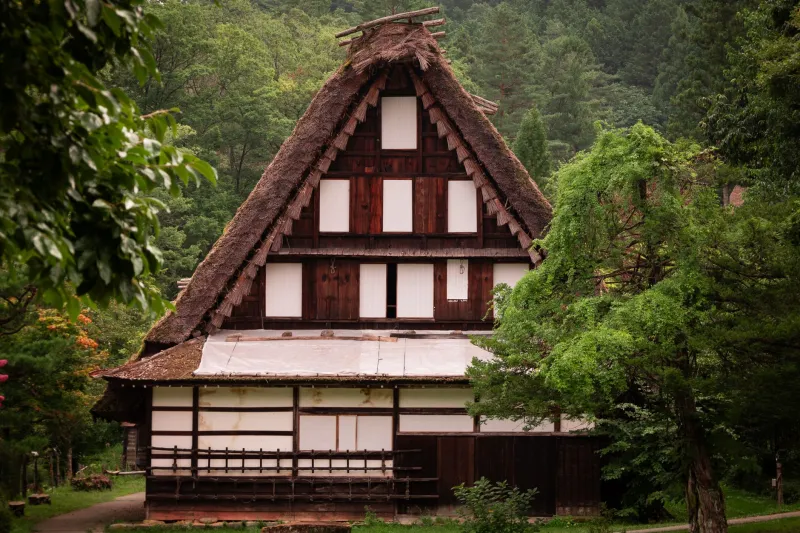
There is a particular kind of anxiety that sets in around late November, when the first reports of heavy snowfall begin arriving from rural Niigata or the highlands of Nagano. For American akiya owners thousands of miles away, the image of a restored farmhouse roof bearing an unexpected load of wet snow — unmonitored, unattended — has a way of sharpening the mind considerably.
Long-distance property ownership is not unique to Japan. Americans manage vacation homes in Vermont, rental properties in Florida, and investment units in cities they visit twice a year. But the akiya context introduces variables that standard property management frameworks were not designed to handle: language barriers, aging rural infrastructure, community relationships that require genuine cultivation, and a physical environment that can be dramatically unforgiving in ways that temperate American climates are not.
The owners who navigate this well have figured something out that is worth examining closely.
Seasonal Priorities: What Japan's Climate Actually Demands
Japan's climate varies dramatically by region, and the maintenance calendar for an akiya in Tohoku looks nothing like that of a property in coastal Shikoku. But across regions, there are seasonal inflection points that every remote owner must account for.
Spring is the critical inspection window. Winter stresses — freeze-thaw cycles, snow load, moisture infiltration — reveal themselves in spring, and addressing damage early prevents compounding deterioration through the humid summer months. Roof tiles, foundation drainage, and exterior woodwork all warrant close attention after winter ends.
Summer in Japan brings heat and humidity that are genuinely punishing to traditional structures. Ventilation is essential. Older homes built in the minka tradition were designed with natural airflow in mind, but a closed, unoccupied house accumulates moisture that feeds mold, warps wooden components, and attracts insects. Arranging for regular ventilation — whether through a local caretaker opening windows on dry days or through mechanical dehumidification — is not a luxury; it is structural maintenance.
Autumn demands gutter clearing and a final exterior inspection before winter arrives. In forested areas, fallen leaves can block drainage systems quickly, and a blocked gutter on a rural property that no one checks for months is a reliable path to water damage.
Winter preparation, particularly in snow-country prefectures, includes confirming that snow-removal arrangements are in place. This is not something that can be improvised from Seattle in January.
Building a Local Support Network
Every experienced long-distance akiya owner arrives at the same conclusion eventually: technology is a tool, but people are the infrastructure.
Mark D., a retired contractor from Portland who owns a restored kominka in Yamagata Prefecture, put it plainly in a recent conversation: "I spent the first year trying to manage everything remotely with cameras and apps. Then the water line froze and I had no one to call who actually knew the property. That was the lesson."
Building a reliable local network typically involves three overlapping relationships.
The first is a local property manager or caretaker (kanrinin). These individuals — sometimes retired tradespeople, sometimes younger residents interested in rural revitalization work — can perform regular walkthroughs, coordinate with contractors, handle utility issues, and serve as the owner's eyes and ears. Finding a trustworthy caretaker often happens through municipal akiya banks, local NPOs focused on rural revitalization, or introductions from neighbors. The relationship requires investment: clear communication, fair compensation, and the kind of mutual respect that sustains a working arrangement across cultural and linguistic distance.
The second relationship is with neighboring residents. In rural Japan, neighbor relationships carry social weight that is difficult to overstate. A neighbor who knows you, who has met you in person at least once, and who understands that you value the property and the community is an informal monitoring asset of extraordinary value. They will notice the unusual, the unexpected, the out-of-place — and if the relationship is warm, they will tell you about it. This is not surveillance; it is community membership, and it requires showing up in person periodically to maintain.
The third relationship is with a reliable local contractor (daiku or general construction professional) who knows the property's specific construction style and history. Traditional Japanese timber-frame construction requires tradespeople who understand it. A contractor who has worked on the property once and earned the owner's trust is worth more than a dozen strangers found through an app in an emergency.
Technology as a Supplement, Not a Substitute
With a human network in place, technology becomes genuinely useful rather than a false comfort.
Wide-angle IP cameras positioned at key interior and exterior points — roof drainage areas, the main entrance, any area with known vulnerability — allow owners to conduct informal visual checks without burdening their local contacts. Several American owners have found that a brief weekly camera review, combined with a monthly check-in call with their caretaker, provides a reasonable picture of the property's condition.
Smart humidity and temperature sensors, available from Japanese electronics retailers and compatible with standard home automation platforms, can alert owners to conditions that suggest ventilation problems or heating failures. Water leak detectors placed near plumbing fixtures provide early warning of a category of damage that compounds quickly in unoccupied structures.
Some owners have experimented with drone-based exterior inspections conducted by local service providers, a practice that is particularly useful for assessing roof conditions after severe weather events without requiring a physical visit.
None of these tools replace judgment. They produce data, and data requires interpretation by someone with local context.
The Visit Cadence Question
How often does a long-distance akiya owner actually need to be present? There is no universal answer, but a minimum of one annual visit — ideally in spring, to assess winter damage and reinforce local relationships — appears to be a practical floor for owners who are serious about preservation. Owners managing properties in demanding climates or with active renovation work underway typically visit more frequently.
Sarah K., an urban planner from Chicago who co-owns a restored akiya in rural Hyogo with her partner, described their approach this way: "We treat the spring trip as non-negotiable. That's when we do the inspection, pay our respects to the neighbors, meet with the caretaker in person, and make decisions about what needs attention before the next winter. Everything else we manage remotely, but that visit is the anchor."
The cost of transatlantic travel is real, and it belongs in any honest accounting of what akiya ownership actually requires. Owners who factor it in from the beginning tend to sustain their properties more successfully than those who treat visits as optional.
What Fails — And Why
The patterns of failure in long-distance akiya management are consistent enough to be instructive. Properties deteriorate most rapidly when owners underinvest in local relationships, delay addressing small problems until they become large ones, or rely exclusively on technology without a human point of contact. Language barriers that were never adequately addressed at the outset tend to create compounding communication failures over time.
The other common failure mode is financial: underestimating ongoing maintenance costs relative to the acquisition price. A property purchased for a nominal sum still requires real investment to sustain, and owners who treat low acquisition cost as a signal that ongoing costs will also be low frequently find themselves in difficulty within the first two or three years.
The framework that works is neither complicated nor surprising. It requires human relationships, realistic budgeting, periodic physical presence, and a genuine commitment to the community in which the property sits. For owners who bring those qualities, managing an akiya from across the Pacific is demanding — but it is entirely achievable.