The House That Healed Us: One American Woman's Journey Through an Akiya Restoration
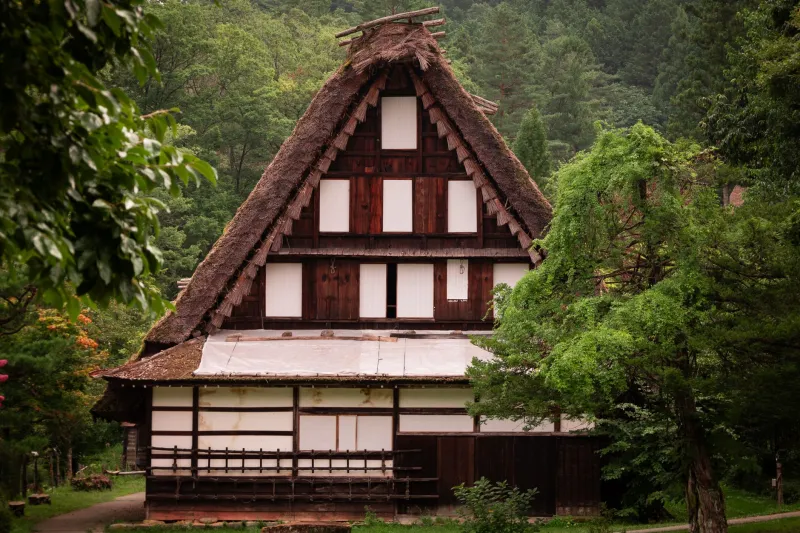
Lisa Tanaka grew up in Sacramento, California, knowing very little about the village her grandmother had left behind. There were photographs, of course — faded images of narrow lanes and wooden structures with deep-pitched roofs — but they lived in a shoebox under her mother's bed, rarely discussed and never explained. Japan, in the Tanaka household, was something that existed in the past tense.
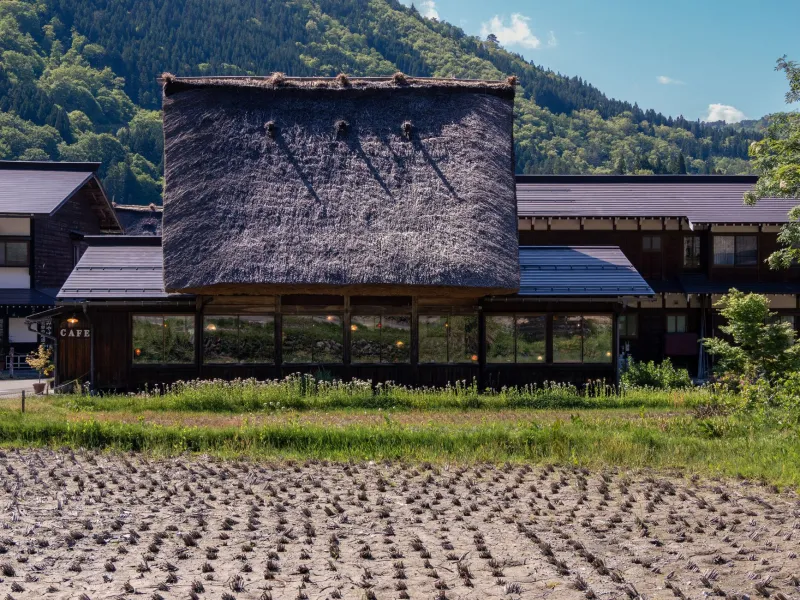
That changed in 2021, when a distant cousin in Hyogo Prefecture contacted Lisa through a genealogy platform to inform her that a property belonging to the family had been sitting vacant for nearly two decades. The house, a traditional kominka farmhouse built sometime in the 1930s, had been registered under her great-grandmother's name and had never been formally transferred or sold. It was, in the language of Japanese real estate, an akiya — a ghost property in a village that had itself grown quieter with each passing generation.
Lisa was forty-three years old, a school administrator with no Japanese language skills and no prior experience in real estate. She had never purchased property even in the United States. Yet within eight months of that initial message, she had navigated the legal complexities of foreign property ownership in Japan, engaged a local restoration contractor, and signed her name to documents that made her the legal steward of a structure her grandmother had once called home.
"I didn't do it because it made financial sense," Lisa said. "I did it because I couldn't explain why not doing it felt like a form of erasure."
What the Walls Held
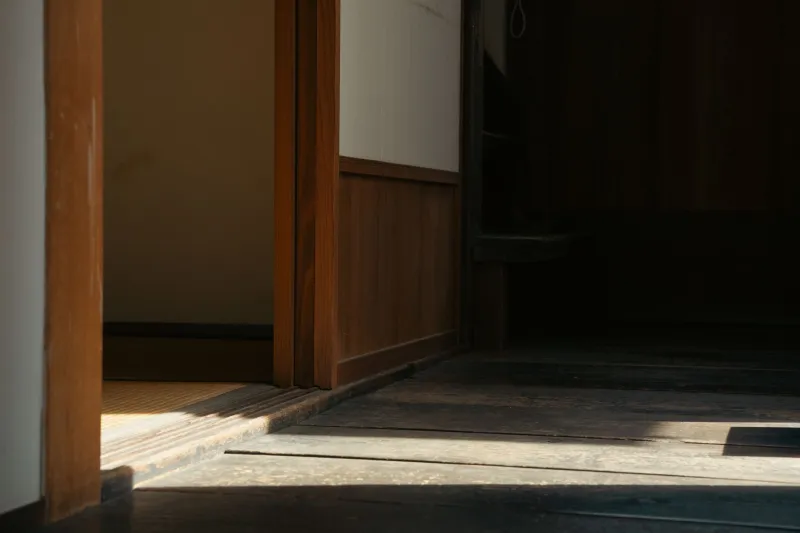
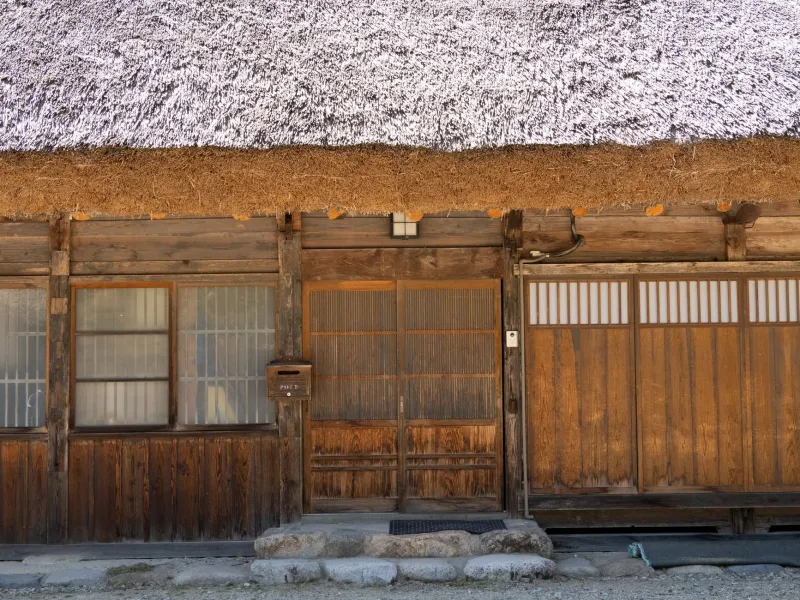
The farmhouse in Nishiwaki — a small city in the inland mountains of Hyogo Prefecture — was in considerably worse condition than the photographs Lisa had been sent. The roof had partially collapsed on one side. Tatami mats had rotted through. A corner of the main room had been colonized by moss, and the wooden columns that framed the entryway had warped significantly from decades of humidity and neglect.
And yet, from the moment she first stepped inside during her scouting visit in early 2022, Lisa described an overwhelming sense of presence. Personal effects remained: ceramic dishes, a folded futon in a closet, a small wooden cabinet with a mirror that still reflected, dimly, the light from the garden.
"The house had been waiting," she said. "I know that sounds irrational. But that's the only way I can describe what it felt like to be in that space."
For Lisa, the restoration process became inseparable from a parallel process of personal excavation. As contractors stripped away damaged materials, she found herself documenting everything — photographing structural beams, researching the origins of the ceramic tiles in the kitchen, learning the names for architectural features she had never had words for. She began studying conversational Japanese. She reached out to elderly neighbors who remembered her grandmother as a young woman.
The Therapeutic Dimension of Restoration
Property restoration is typically framed in practical terms: structural assessments, contractor bids, material sourcing, permit timelines. These elements are real and significant, and Lisa navigated all of them. But what she was not prepared for was the emotional texture of the work itself.
"Every decision felt weighted in a way that I couldn't have anticipated," she said. "Whether to replace a window with modern glass or restore it to period-appropriate materials — it wasn't just an aesthetic choice. It felt like a statement about what I thought mattered."
This dimension of akiya restoration is rarely discussed in investment-focused conversations about Japan's abandoned property market, yet it appears consistently in the experiences of overseas buyers with ancestral ties to the properties they purchase. The physical act of reversing a structure's decline — of choosing preservation over demolition — carries a psychological resonance that extends well beyond the property line.
For Japanese American families in particular, the restoration of an ancestral home can represent something more complex: an opportunity to reclaim a narrative that was interrupted, in many cases, by the upheaval of World War II and the cultural pressures that followed. Lisa's grandmother, like many Japanese Americans of her generation, rarely spoke of what she had left behind. Restoring the house became, for Lisa, a way of honoring a silence she had never fully understood.
Building a Bridge Across Generations
By the spring of 2023, the farmhouse in Nishiwaki had been substantially stabilized. The collapsed roof section had been rebuilt using traditional timber framing techniques. The garden, overgrown for years, had been cleared and partially replanted with species that neighboring residents identified as original to the property. Lisa had made three extended visits to Japan, each time staying in a nearby guesthouse while work progressed.
Her two adult children — both born and raised in California — accompanied her on the most recent trip. Neither had previously visited Japan.
"Watching them walk through the house was something I couldn't have scripted," Lisa said. "My daughter stood in the kitchen and said, 'This is where she made breakfast.' She had never met my grandmother. But she understood something in that moment that I don't think she could have understood any other way."
This intergenerational dimension is one of the most underappreciated aspects of akiya ownership for American families with Japanese heritage. A restored property does not merely preserve a structure — it creates a physical location where family history can be experienced rather than simply recounted. It gives descendants a place to stand.
What Akiya Rescue Means Beyond the Market
The economic case for akiya investment in Japan is well-documented: low acquisition costs, expanding government incentive programs, and a growing demand for rural accommodations among both domestic and international travelers. These factors are real and relevant for buyers approaching the market as investors.
But Lisa's experience points toward a different kind of return — one measured not in rental yield or property appreciation, but in the restoration of something that cannot be appraised. Her grandmother's house is no longer a liability registered to a name in a municipal database. It is a place that her children have visited, that neighbors have welcomed them into, and that now anchors a family's relationship with a country they had only ever known at a distance.
"Japan stopped being abstract for us," Lisa said. "It became somewhere we belong to, at least in part. And that's not something I expected a real estate transaction to give me."
For families considering the akiya market, Lisa's story offers a reminder that the most significant outcomes of property restoration are not always the ones that appear on a balance sheet. Sometimes the house that heals you is the one you almost let fall down.