Roots in the Rubble: How Japanese American Families Are Discovering Forgotten Property Claims in Their Ancestral Villages
A Letter, a Land Record, and a Question That Changed Everything
For many Japanese Americans, the connection to Japan lives in photographs, recipes, and stories passed down at kitchen tables. But for a growing number of families, that connection has a physical address — one they may never have visited, and may not even know exists.
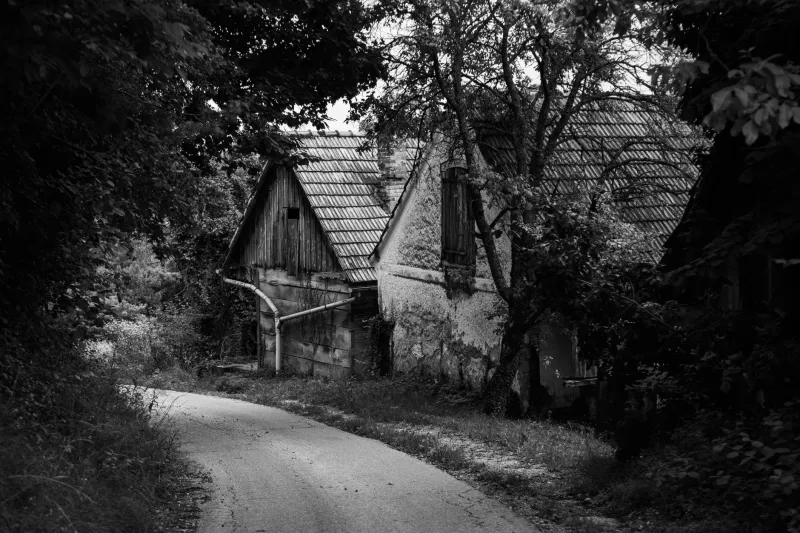
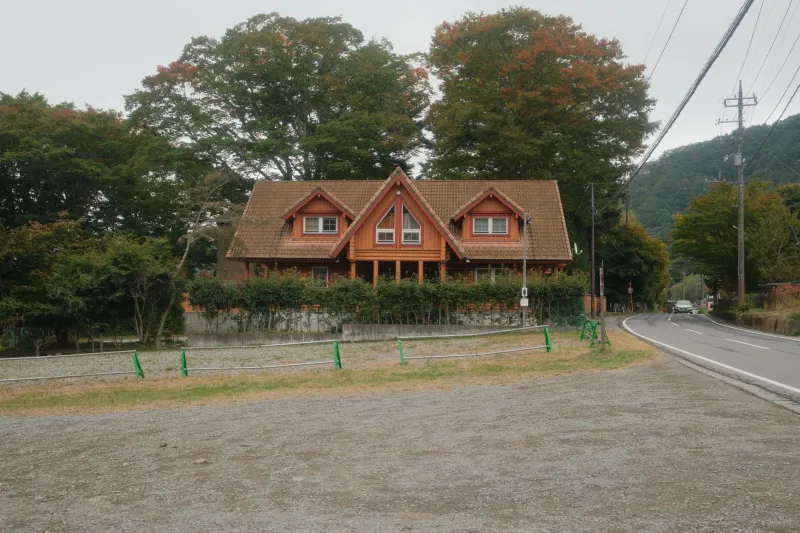
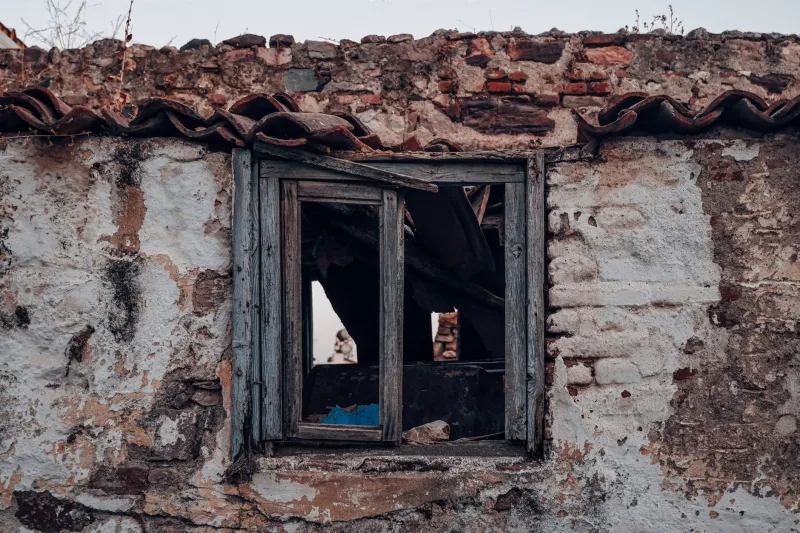
Across Japan's rural prefectures, akiya — the term for abandoned or vacant homes — number in the millions. Behind many of those weathered facades lies a history that stretches far beyond the village itself. Some of these structures were once the family homes of emigrants who left for Hawaii, California, or the Pacific Northwest in the late nineteenth and early twentieth centuries. Their descendants, now generations removed, may carry inheritance rights they have never investigated.
For those willing to look, the search for an ancestral property in Japan can become one of the most meaningful journeys of a lifetime.
The Scale of the Diaspora Connection
Japan's emigration history is substantial. Between the 1880s and the 1940s, hundreds of thousands of Japanese citizens relocated to the United States, drawn by labor opportunities on the West Coast and in Hawaii. Many came from specific rural regions — Hiroshima, Kumamoto, Yamaguchi, and Okinawa among the most prominent — where agricultural conditions were difficult and economic prospects were limited.
Those emigrants often left behind family homes that remained in the possession of relatives who stayed. Over subsequent decades, as rural Japan depopulated and family lines thinned, many of those properties passed through inheritance chains that became increasingly difficult to trace — or were never properly transferred at all.
Today, Japanese law allows property to remain registered in the name of a deceased owner for decades, sometimes generations. This means that an abandoned farmhouse in Hiroshima Prefecture might still be legally tied to the name of a great-great-grandfather who emigrated to California in 1902. His American descendants could, in theory, hold a stake in that property — even if they have never set foot in Japan.
How to Begin Researching Your Family's Property History
Tracing an ancestral property claim in Japan requires patience and a willingness to work across language barriers, but the process is more accessible than many assume.
The starting point is almost always family documentation. Old koseki — the Japanese household registry system — are among the most detailed genealogical records in the world. These documents track births, deaths, marriages, and adoptions within a family line, and they often include the address of the family's registered home. Copies of historical koseki can be requested from the municipal office of the town or village where the family was originally registered, provided you can demonstrate a familial connection.
For Japanese Americans, the naturalization papers, immigration records, and family correspondence that survived the twentieth century can offer critical clues. The family's prefecture of origin, the village name, and even the names of relatives who remained in Japan may appear in documents held by the National Archives or within family collections.
Once a geographic anchor is established, Japanese municipal offices — particularly those managing land and property records — can assist in identifying registered landowners. Japan's Legal Affairs Bureau maintains official property registration records (touki), which are publicly accessible and can confirm whether a parcel of land or structure remains in a family name.
The Legal Landscape: Inheritance Rights Across Borders
Property inheritance in Japan follows its own distinct legal framework, and for overseas descendants, the path is rarely straightforward.
Under Japanese law, inheritance rights do not expire simply because a property has been abandoned or because the original owner's descendants live abroad. If a property was never formally transferred following the death of a registered owner, all legal heirs — regardless of nationality or residence — may retain a claim. A 2024 amendment to Japanese inheritance law now requires that inherited properties be formally registered within three years of the owner's death, a change designed to address the country's growing akiya crisis. This reform has created both urgency and opportunity for diaspora families who may have dormant claims.
Navigating this process typically requires the assistance of a Japanese judicial scrivener (shiho shoshi) or an attorney experienced in cross-border inheritance matters. Translation services and coordination between Japanese municipal offices and overseas applicants add layers of complexity, but they are manageable with proper guidance.
It is also worth noting that claiming a property carries responsibilities. Accepting an inheritance in Japan means accepting any associated liabilities — including unpaid property taxes, demolition obligations, or existing liens. A thorough due diligence process is essential before any formal claim is pursued.
The Emotional Dimension of Ancestral Ownership
Beyond the legal mechanics, the experience of reconnecting with an ancestral home carries a weight that is difficult to quantify.
For many Japanese Americans, the incarceration of Japanese and Japanese American communities during World War II severed family ties and disrupted the transmission of cultural knowledge. The prospect of standing inside a home where one's grandparents or great-grandparents once lived — even in its current state of disrepair — carries profound significance. Several families who have pursued ancestral property projects in Japan describe the experience as a form of reconciliation: with history, with a culture that was partially lost, and with a place that shaped who they are.
This emotional dimension does not make the practical challenges disappear, but it does reframe them. Restoring an ancestral akiya is not simply a real estate transaction. It is an act of cultural stewardship.
From Personal History to Community Revitalization
Japan's rural municipalities are acutely aware of the value that diaspora engagement can bring to their communities. Many villages that once sent emigrants abroad are now among the most severely depopulated in the country. Local governments in prefectures like Hiroshima and Kumamoto have established outreach programs specifically designed to reconnect descendants of emigrants with their ancestral regions.
For American families who choose to restore an ancestral property rather than sell or transfer it, the impact extends well beyond the individual. A restored home becomes a visible anchor in a village that has lost too many. It signals that the community still has a future — and that its history is worth preserving.
Some families have gone further, converting ancestral properties into guesthouses, cultural study centers, or seasonal retreats that allow others to engage with rural Japanese life. These projects, however modest, contribute meaningfully to the revitalization efforts that organizations like Akiya Rescue support across Japan's countryside.
Where to Begin
If you suspect your family has roots in rural Japan and wonder whether an ancestral property might still exist, the most important first step is simply to ask. Speak with older relatives. Search family documents. Look for the names of villages, municipalities, or prefectures in the stories you have already heard.
That single question — where exactly did we come from? — has a way of opening doors that have been quietly waiting for someone to reach for the handle.