A Swab and a Surname: How Genetic Testing Is Opening Doors to Ancestral Property in Rural Japan
What begins as casual curiosity about one's heritage has, for a growing number of Americans, evolved into something far more consequential: a potential legal claim to land or a family home in rural Japan. The intersection of consumer DNA testing and Japanese inheritance law is quietly reshaping how diaspora descendants engage with their ancestral roots — and with the country's vast inventory of abandoned properties.
For Japanese Americans whose families emigrated generations ago — many under circumstances that severed communication with those left behind — the question of what, if anything, remains in the ancestral village has long gone unanswered. Today, platforms like AncestryDNA and 23andMe are providing unexpected starting points for that search.
From Genetic Match to Geographic Discovery
The process rarely begins with property. More often, it begins with a name.
When a DNA match surfaces a distant cousin still living in Niigata or Kagoshima, the conversation that follows sometimes reveals that a grandparent's farmhouse still stands — empty, untended, and legally unresolved. In Japan, where rural depopulation has left an estimated nine million homes vacant, the absence of a clear heir is among the most common reasons a property enters a state of legal limbo.
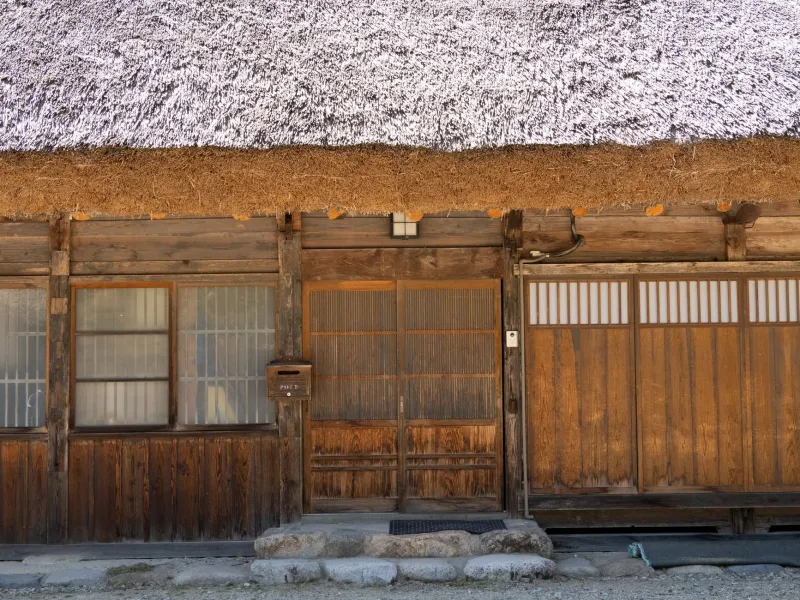
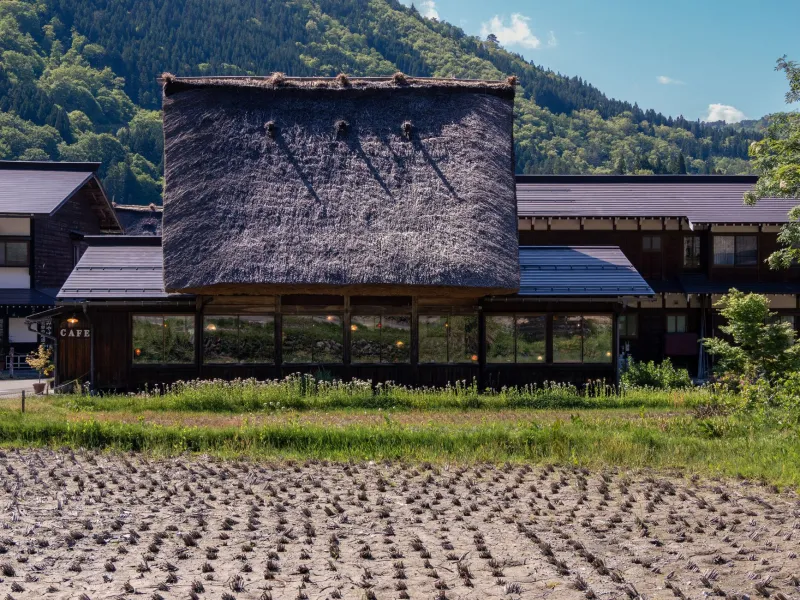
For Americans who receive this kind of news, the initial reaction is frequently one of disbelief. The idea that a tangible piece of real estate — a thatched-roof farmhouse, a mountain-side plot, a modest village dwelling — might carry their name in some official registry feels more like folklore than legal reality. And yet, in a meaningful number of cases, it is precisely that.
The critical document in these situations is the koseki, Japan's family registry system. Unlike Western genealogical records, the koseki is a living legal instrument that traces lineage through household units rather than individuals. It records births, deaths, marriages, and adoptions in a format that courts recognize as authoritative evidence of familial relationship. For a diaspora descendant attempting to establish an inheritance claim, accessing and interpreting the relevant koseki is typically the first formal step.
The Legal Architecture of a Cross-Border Inheritance Claim
Japanese inheritance law operates under a framework that may surprise American claimants accustomed to the relatively streamlined probate processes of U.S. states. In Japan, inheritance rights do not expire simply because years — or decades — have passed without a claim being filed. However, the process of asserting those rights from abroad involves navigating multiple bureaucratic layers, often simultaneously.
First, the claimant must obtain certified copies of the relevant koseki records from the municipal office (shiyakusho or yakuba) in the ancestral hometown. This can require advance correspondence, proof of identity, and in some cases the assistance of a Japanese attorney or a registered administrative scrivener (gyosei shoshi).
Second, the claimant must demonstrate their place within the documented lineage. A DNA test result alone carries no legal weight under Japanese law. What it can do, however, is guide a claimant toward the right family line and motivate the search for documentary evidence — birth certificates, immigration records, wartime family correspondence — that can corroborate the genealogical connection in legally admissible terms.
Third, if the property in question has multiple potential heirs — a common situation when an original owner died without a will and the family scattered across continents — all parties must reach a consensus through a process known as 遺産分割協議 (isan bunkatsu kyogi), or estate division negotiation. This step frequently requires a Japanese attorney who specializes in cross-border estate matters, and it can be time-consuming even when all parties cooperate.
The costs involved — legal fees, translation services, document procurement, and travel — are not trivial. Prospective claimants should approach the process with realistic expectations about both the timeline and the expense.
What Happens After the Claim Is Established
For those who successfully navigate the inheritance process, the question shifts from legal to practical: what do you do with a property that has sat unoccupied for years, possibly decades?
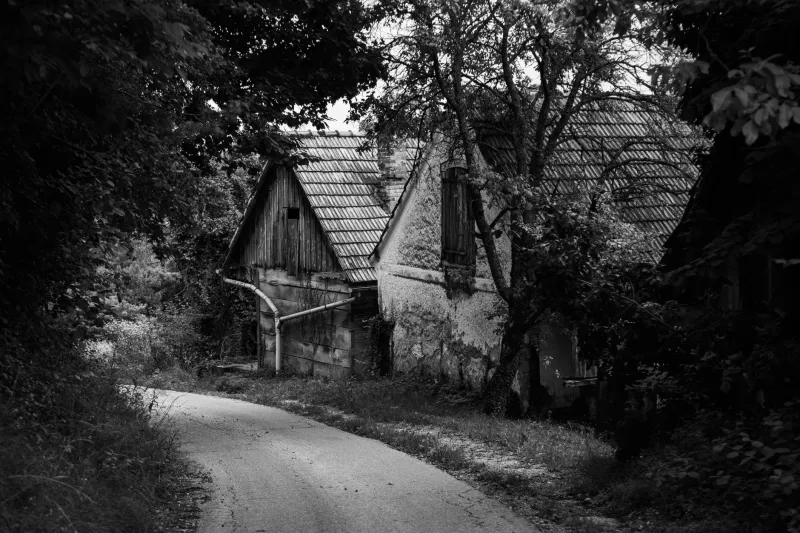
The condition of long-vacant rural homes in Japan varies considerably. Some have been maintained by neighbors or local preservation groups. Others have succumbed to the particular cruelties of Japan's humid climate — mold, structural settling, roof damage from heavy snowfall. A professional inspection conducted by a locally based contractor is an essential early step, and it should precede any financial commitment to restoration.
For Americans who find themselves in possession of an ancestral home in a rural Japanese village, the decision about what to do next is rarely purely financial. The emotional dimension of inheriting a place your grandparents or great-grandparents once called home carries weight that a spreadsheet cannot fully capture. Many newly minted heirs describe a sense of obligation — not just to the property itself, but to the community that has watched it stand empty.
This is precisely the spirit that drives meaningful akiya restoration. The most successful revitalization projects tend to be those in which the new owner arrives with a genuine connection to the place, a willingness to invest in its future, and an understanding of the local context. Diaspora heirs, by definition, bring a form of connection that no ordinary buyer can replicate.
Practical First Steps for American Descendants
If a DNA match or family conversation has prompted you to investigate a possible property connection in Japan, the following steps offer a reasonable starting point:
Document what you already know. Gather any existing family records — immigration papers, old photographs with location information, letters, or naturalization documents. These may contain the name of the ancestral town or village, which is essential for locating the relevant municipal office.
Identify the ancestral municipality. Japan's administrative geography has changed significantly over the past century through municipal mergers. The village your great-grandmother left in 1920 may now be part of a larger city. Online databases and Japanese genealogical societies can help map old place names to current administrative units.
Engage a qualified Japanese attorney early. Cross-border inheritance matters in Japan require professional guidance. Look for attorneys with demonstrated experience in international estate cases, and expect initial consultations to be conducted via video conference.
Temper expectations — and remain open to surprises. Not every genealogical lead will produce a viable property claim. But for those that do, the outcome can be transformative — not only personally, but for the rural communities that stand to benefit from a restored home and a renewed connection to their own history.
The Broader Significance
Japan's akiya crisis is, at its core, a story about disconnection — between people and places, between generations, between a rapidly urbanizing society and the rural landscapes it has left behind. The phenomenon of diaspora descendants rediscovering property ties through genetic testing introduces an unexpected counternarrative: one in which modern technology quietly repairs some of those ruptures.
It is a slow process, and it will not resolve the broader vacancy crisis on its own. But each home that finds its way back into the hands of someone who cares about its future is, in the most meaningful sense, a rescue — of the structure, of the story, and of the community that surrounds it.