Beyond the Beach: How American Retirees Are Discovering Deeper Value in Japan's Rural Countryside
The Retirement Calculus Is Changing
For decades, the retirement dream for many Americans followed a familiar script: a beachfront condo in the Bahamas, a hillside villa in Costa Rica, or perhaps a sun-drenched apartment along the Florida Gulf Coast. These destinations promised warmth, leisure, and a slower pace of life. What they increasingly deliver, however, is crowded infrastructure, rising costs, and a sense of transient community that leaves many retirees feeling more like permanent tourists than genuine residents.
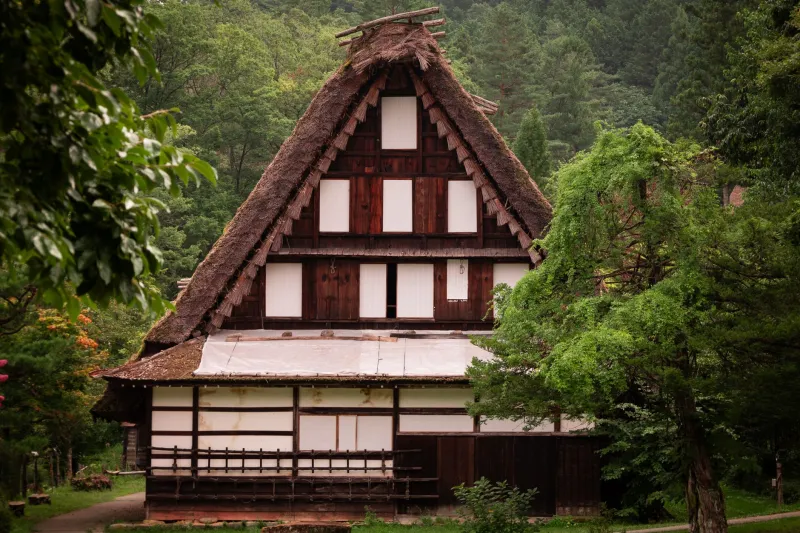
A different kind of retirement destination is now entering the conversation — one that few financial planners would have recommended even five years ago. Abandoned rural homes in Japan, known as akiya, are quietly attracting a growing cohort of American retirees and semi-retired remote workers who have done the math and found something unexpected: Japan's forgotten countryside offers more value, more authenticity, and in many cases, more financial stability than the traditional alternatives.
What the Numbers Actually Say
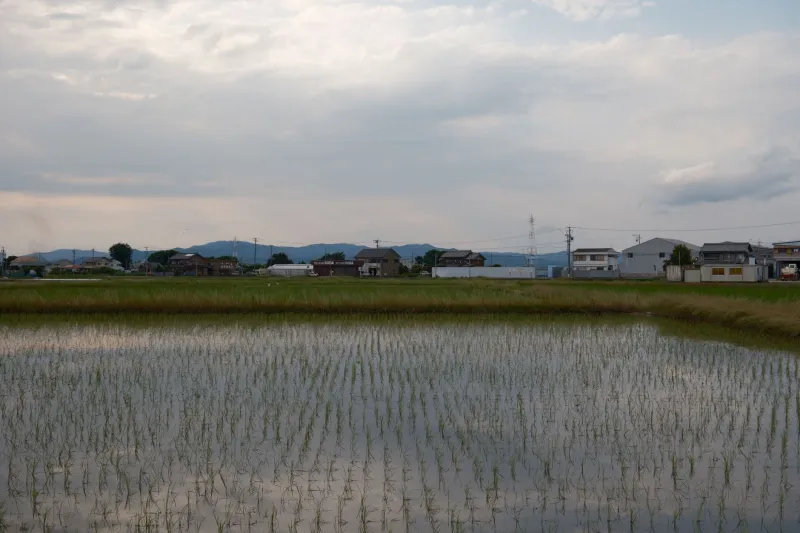
The financial case for akiya investment is not a matter of speculation. Japan's government has catalogued more than eight million vacant properties across the country, a figure that continues to climb as rural populations decline and urban migration accelerates. Many of these homes are listed for prices that would seem implausible to any American accustomed to domestic real estate markets — properties in Shimane, Wakayama, or Tottori prefectures can be acquired for the equivalent of $30,000 to $80,000, sometimes less.
Compare this with a two-bedroom condominium in Nassau, Bahamas, which routinely lists between $350,000 and $600,000, or a modest home in Puerto Rico's coastal municipalities, where post-hurricane demand has pushed prices well above pre-storm levels. Even accounting for restoration costs — which for a structurally sound akiya might run between $40,000 and $120,000 depending on the scope of work — the total investment frequently remains well below what a Caribbean property would demand at purchase alone.
"I ran the numbers three times because I didn't believe them," said Margaret Holloway, a 64-year-old retired school administrator from Portland, Oregon, who purchased and restored a traditional farmhouse in Hyogo Prefecture two years ago. "After renovation, I had a fully functioning home with a garden, a wood-burning hearth, and a mountain view — for less than I would have spent on a down payment in Sedona."
The Lifestyle Proposition
Financial logic alone does not explain the appeal. Retirees who choose akiya restoration describe a lifestyle that differs fundamentally from the resort-town experience many had previously imagined for themselves.
Rural Japan offers something increasingly rare: genuine community integration. In many depopulating villages, foreign residents who commit to restoring and inhabiting a local home are welcomed not merely as curiosities but as participants in the ongoing life of the community. Local governments in prefectures such as Okayama and Nagano have developed formal programs to assist new residents, offering everything from subsidized renovation loans to introductions with local farmers and artisans.
The cultural texture of daily life in rural Japan — seasonal festivals, neighborhood agricultural cooperatives, the rhythms of a traditional market town — provides a depth of experience that a beachside resort economy rarely offers. For retirees who arrived at this stage of life seeking meaning alongside comfort, that distinction matters considerably.
"Living here is not a vacation that never ends," explained David Krauss, 67, a former software engineer from Austin, Texas, who now resides in a restored kominka in Gifu Prefecture. "It is actual participation in a place. My neighbors taught me to make miso. I helped repair the community irrigation channel last spring. That is not something you get in a gated resort community."
Practical Realities and Honest Challenges
No responsible account of akiya investment can omit the practical difficulties involved, and prospective buyers should approach this market with clear-eyed preparation rather than romantic idealism.
The language barrier represents the most immediate obstacle. Property transactions in Japan are conducted in Japanese, and while bilingual real estate agents and dedicated akiya intermediaries have become more accessible in recent years, navigating local bureaucracy, contractor relationships, and community norms without Japanese language skills remains genuinely demanding. Most successful American akiya owners either invest seriously in language study prior to purchase or engage a professional intermediary service to manage the process.
Visa considerations also require careful planning. Japan does not currently offer a dedicated retirement visa analogous to those available in Portugal, Mexico, or Panama. Americans who wish to reside in Japan long-term typically do so through a combination of tourist visa stays, cultural activity visas, or — for those who establish a registered business or remote work arrangement — appropriate work-related visa categories. This landscape is evolving, and prospective buyers are strongly advised to consult with an immigration attorney familiar with Japanese residency law before committing to a purchase.
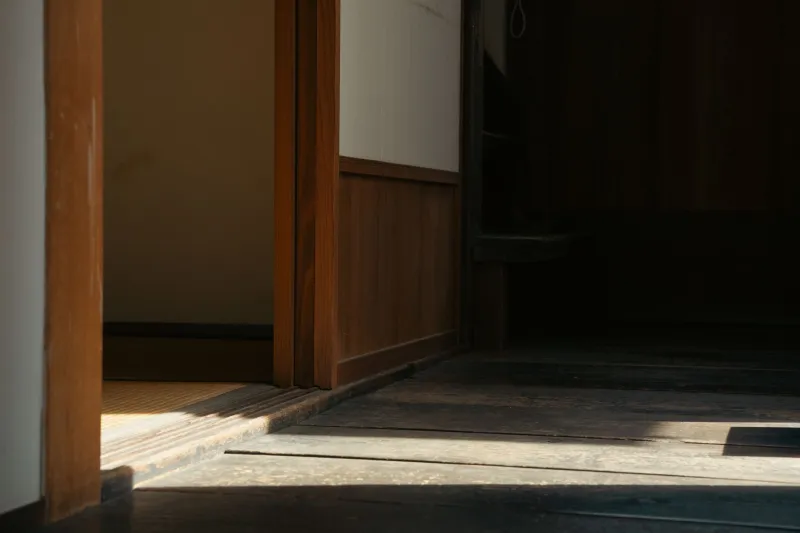
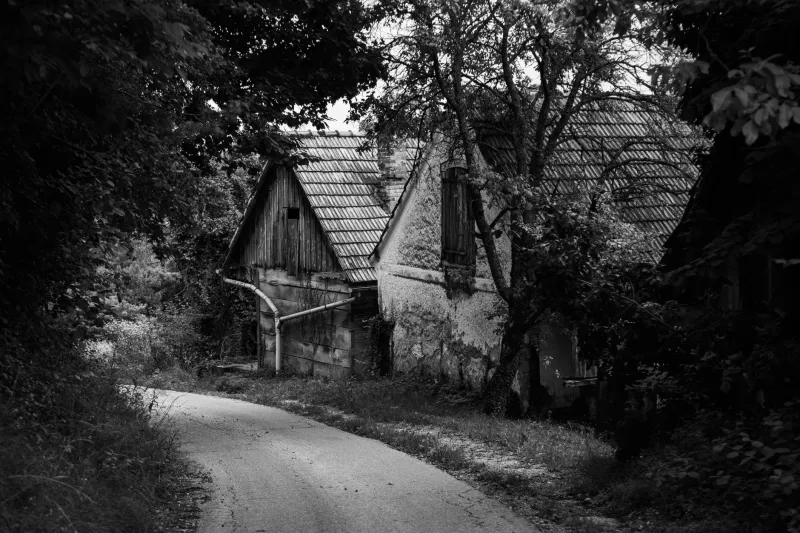
Restoration quality is another area where due diligence is essential. Akiya properties vary enormously in structural condition, and a home that photographs beautifully may conceal significant foundation issues, outdated electrical systems, or damage from the humidity and seismic activity common to many Japanese regions. Engaging a qualified local inspector before purchase is not optional — it is a fundamental step in protecting any investment.
Why Restoration Experts Are Taking Notice
Professionals who specialize in traditional Japanese home restoration have observed the shift in buyer demographics with considerable interest. International clients now represent a meaningful and growing segment of the market in several rural prefectures.
"American buyers tend to be very intentional," noted one Kyoto-based restoration contractor who works extensively in the Tanba region. "They have usually researched thoroughly before they arrive. They understand that this is a commitment, not a transaction. That mindset makes for very successful restoration projects."
This intentionality is, in many ways, what distinguishes the akiya buyer from the conventional retirement property investor. The decision to restore an abandoned Japanese home is not primarily a passive investment strategy. It is an active choice to participate in the preservation of a built heritage that might otherwise disappear — and to build a life in a place that rewards patience, curiosity, and genuine engagement.
A Different Kind of Retirement Asset
The comparison with Caribbean beach houses ultimately illuminates something more fundamental than a difference in price points or climates. It reveals a divergence in what American retirees are increasingly asking of their retirement years.
For those who measure retirement success by proximity to a swimming pool and a duty-free shopping district, the Caribbean remains a reasonable answer. For those who are asking something more — who want their retirement home to be a project, a community, a cultural education, and a financial decision that holds up under scrutiny — Japan's rural akiya market deserves serious consideration.
The homes are waiting. Many have been waiting for years. And the Americans who are finding their way to them are discovering that the most unexpected destinations sometimes offer the most enduring rewards.