The Real Price of a Japanese Rural Home — And Why It Changes Everything About Retirement Planning
For most Americans, the idea of owning property abroad conjures images of steep legal hurdles, currency risk, and six-figure price tags that ultimately make the dream impractical. Japan's akiya market — a growing inventory of abandoned or vacant rural homes — challenges nearly every one of those assumptions. With acquisition prices that can start below $50,000 and sometimes fall as low as a single dollar in municipal giveaway programs, these properties are reshaping how financially minded retirees think about long-term asset allocation and lifestyle design.
But affordability at the surface level can be misleading without context. Understanding what akiya truly cost — and what they can genuinely deliver — requires a clear-eyed look at the full economic picture.
Why Akiya Prices Are So Low
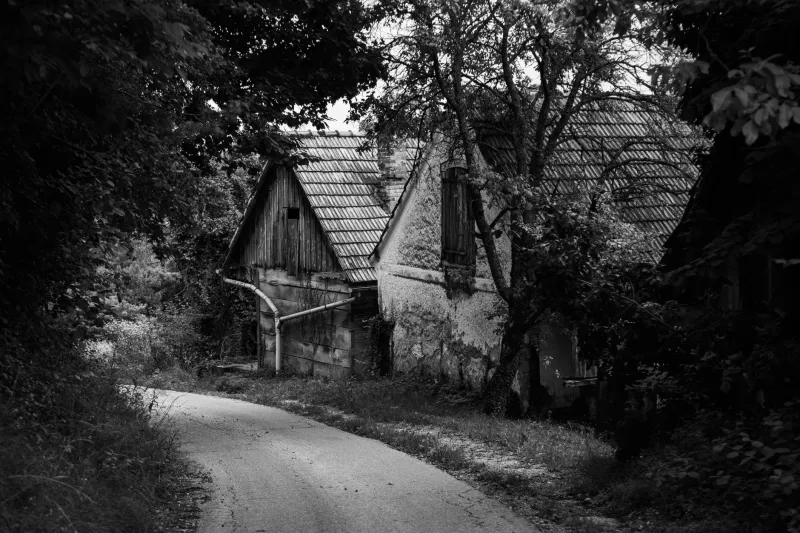
Japan is experiencing one of the most pronounced demographic contractions in the developed world. Its rural population has been shrinking for decades, as younger generations migrate to urban centers like Tokyo, Osaka, and Fukuoka in search of employment and modern amenities. The result is a countryside dotted with homes that have been left behind — sometimes for years, sometimes for generations.
As of the most recent government estimates, Japan holds more than nine million vacant homes, a figure that continues to climb. Local municipalities, burdened by the administrative cost of managing these properties, have introduced subsidy programs, tax incentives, and even free-transfer initiatives to attract buyers willing to restore and inhabit them. The economics are simple: an occupied, renovated home generates tax revenue and community activity; an empty one does neither.
For American buyers, this structural oversupply translates directly into purchasing leverage that simply does not exist in most domestic markets. Comparable rural properties in Vermont, rural Oregon, or the Texas Hill Country routinely list for $200,000 to $500,000 before any renovation work begins.
Breaking Down the True Acquisition Cost
Akiya acquisition is rarely as simple as submitting a purchase offer, and prospective buyers should account for several categories of cost beyond the listing price.
Property Registration and Legal Fees: Japan requires buyers to register ownership through a judicial scrivener, a licensed professional who handles the title transfer process. Fees typically range from $1,500 to $5,000 depending on property complexity and the professional engaged.
Real Estate Acquisition Tax: Japan levies a one-time acquisition tax, generally calculated as a percentage of the government-assessed property value rather than the purchase price. For rural akiya, this assessed value is often quite low, keeping the tax burden modest — frequently under $2,000.
Agent and Administrative Fees: Working with a licensed real estate agent in Japan involves a commission, capped by law at roughly 3% of the purchase price plus a fixed administrative charge. On a $30,000 property, this amounts to a manageable sum.
Renovation Costs: This is where budgets require the most careful planning. A structurally sound akiya in need of cosmetic updates might be renovated for $30,000 to $60,000. A property requiring structural repair, roof replacement, or full modernization of plumbing and electrical systems could run $80,000 to $150,000 or more. Engaging a local contractor with akiya renovation experience is essential, as these homes often use traditional construction techniques that require specialized knowledge.
When aggregated, a realistic all-in budget for a move-in-ready akiya — purchase price plus legal costs plus renovation — typically falls between $60,000 and $200,000. That range, compared to median home prices in much of the United States, remains strikingly competitive.
Ongoing Costs and the Passive Income Potential
Once restored, akiya can serve multiple financial functions. Some owners choose to make the property their primary retirement residence, dramatically reducing living expenses compared to American cities. Others operate the home as a short-term rental through platforms targeting travelers seeking authentic rural Japanese experiences — a market segment that has grown substantially in the post-pandemic travel recovery.
Annual property taxes in rural Japan are generally low, often falling below $500 per year for modest-sized homes. Utility costs in rural areas are similarly reduced. Owners who rent their properties even seasonally often find that rental income covers carrying costs with meaningful margin remaining.
It is worth noting that Japan does not restrict foreign nationals from purchasing real estate. Unlike some countries that impose ownership limitations on non-citizens, Japan's property market is fully accessible to American buyers, provided all registration and legal requirements are met.
Currency Considerations and Long-Term Value
The Japanese yen's recent weakness against the US dollar has made this an especially favorable moment for American buyers to consider entry. Currency dynamics can shift, and prospective buyers should not rely on current exchange rates as a permanent condition. However, the underlying affordability of akiya properties means that even at less favorable exchange rates, the value proposition remains compelling relative to Western alternatives.
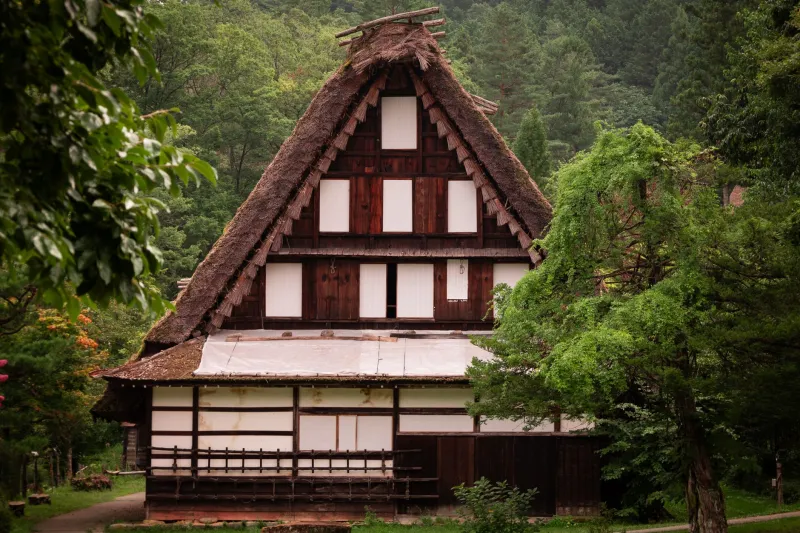
Property appreciation in rural Japan is not a guarantee, and in some declining communities, values may remain flat or decrease over time. This reality distinguishes akiya investment from speculative real estate plays. The stronger case for these properties rests on lifestyle value, reduced retirement living costs, and the cultural and personal reward of restoring a piece of Japan's architectural heritage — financial gain, where it occurs, is a welcome supplement rather than the primary thesis.
What This Means for Your Retirement Strategy
Financial planners increasingly discuss the concept of geographic arbitrage — the practice of relocating to lower-cost environments to extend the purchasing power of retirement savings. Japan's rural regions represent one of the most sophisticated expressions of this strategy available to American retirees.
A couple who might struggle to retire comfortably on $1.5 million in savings in coastal California or metropolitan New York may find that the same resources, deployed in a restored akiya with modest ongoing costs, support a genuinely comfortable and culturally rich retirement. The savings freed from housing costs can fund travel, healthcare, or simply provide the financial cushion that makes retirement feel secure rather than precarious.
At Akiya Rescue, we work with buyers at every stage of this process — from identifying suitable properties and navigating local legal requirements to connecting clients with trusted renovation contractors and municipal subsidy programs. The path to owning a restored Japanese countryside home is navigable. What it requires, above all, is accurate information and a willingness to look seriously at what these properties can offer.
The economics of akiya are not a secret. They are simply a story that has not yet reached enough of the people who need to hear it.