Off the Ledger: Locating Japan's Unlisted Abandoned Properties Before Anyone Else Does
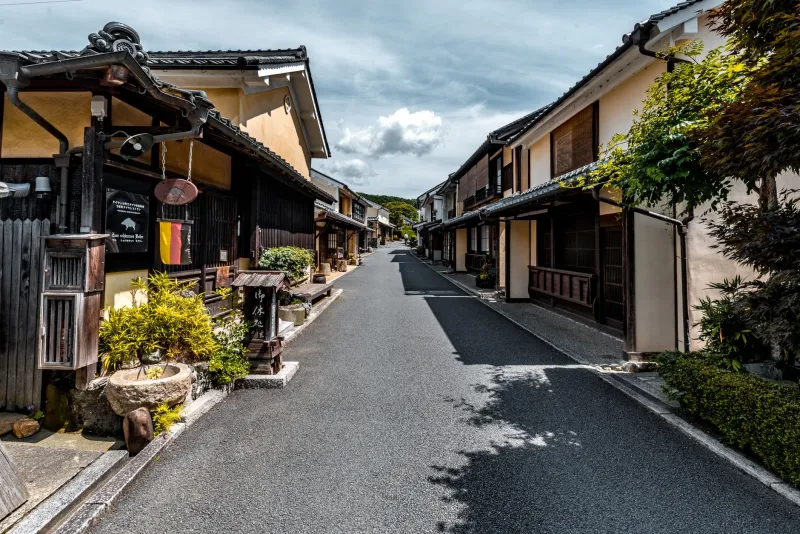
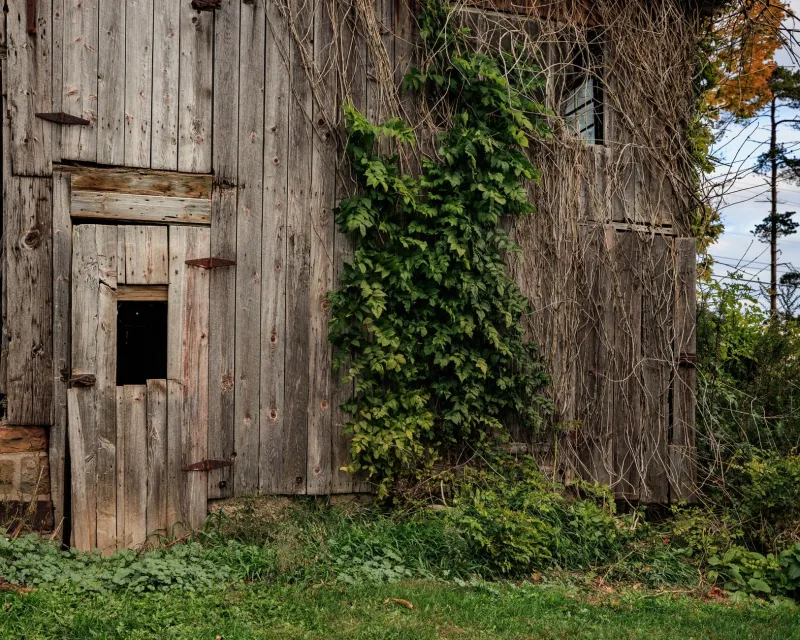
Anyone who has spent time searching Japanese real estate platforms for akiya will have noticed something puzzling. The official listings — on portals such as the Akiya Bank networks operated by prefectural governments or the national akiya navi aggregators — represent only a fraction of the abandoned properties that actually exist in rural Japan. Estimates vary, but researchers at several Japanese universities have suggested that fewer than 15 percent of the country's unoccupied homes are formally listed for sale at any given time.
The remainder exists in a kind of parallel inventory: known to neighbors, suspected by municipal officials, but effectively invisible to outside buyers. For American investors who understand how to access this shadow market, the opportunity is substantial — and the competition is nearly nonexistent.
Why Most Akiya Never Reach a Listing
The reasons an abandoned property goes unlisted are varied, and each points toward a different access strategy.
The most common explanation is inheritance complexity. Japan's inheritance laws have historically allowed estates to pass to multiple heirs without formal registration, and in many rural families, the process of identifying and convening all relevant parties has simply never been completed. A house may have three, seven, or even twelve partial owners spread across different cities or prefectures — none of whom has the authority to list it unilaterally, and none of whom has pressed for resolution. The property sits, the family avoids the conversation, and the listing never materializes.
A second category involves municipal ownership. Local governments in Japan have acquired abandoned properties through tax delinquency, unclaimed estates, and outright donation — often from families relieved to be rid of the maintenance burden. These properties are not always advertised on public platforms. Some municipalities lack the administrative capacity to manage active sales processes. Others are waiting for internal approvals or zoning reviews that have stalled indefinitely.
A third category is perhaps the most intriguing: properties that were once listed and subsequently removed. Owners who listed a property, received inquiries from buyers they found unsuitable, and withdrew the listing rather than proceed. In rural communities where a home carries significant family and social history, the selection of a buyer is not a purely financial decision. Some sellers are not looking for the highest offer. They are looking for the right person.
Municipal Channels: The Overlooked First Step
For American buyers, the most reliable entry point into the off-market inventory is direct engagement with municipal offices — specifically, the chiiki shinko (regional promotion) or jyuutaku seisaku (housing policy) departments that exist in most rural town and village governments.
These offices frequently maintain internal lists of known vacant properties that have not been formally transferred to a public listing platform. Some of this information is held informally, compiled by municipal staff who have simply noted which houses appear empty during their daily routines. Other municipalities maintain structured databases that are available on request but not proactively published.
Approaching these offices requires more than a cold email. A letter of introduction — ideally translated into formal Japanese and accompanied by a clear statement of restoration intent — establishes credibility in a way that a casual inquiry does not. Municipalities that have had negative experiences with speculative buyers who failed to follow through on restoration commitments are understandably cautious. Demonstrating seriousness from the first contact is not merely courteous; it is strategically essential.
Community Intermediaries: The Role of the Machizukuri Network
In many rural communities, the most effective intermediaries are not real estate agents but community development organizations known as machizukuri (town-building) groups. These nonprofit or quasi-governmental bodies are often tasked with managing rural revitalization efforts, and they maintain relationships with both property owners and local governments that no outside agent can replicate.
Connecting with a machizukuri organization requires some groundwork. Many operate primarily in Japanese and are not oriented toward foreign buyers by default. However, the increasing visibility of international interest in akiya has prompted a number of these groups to develop English-language outreach, particularly in prefectures that have seen successful foreign restoration projects. Reaching out through a local contact — a Japanese-speaking partner, a regional tourism board, or an existing community connection — significantly increases the likelihood of a productive introduction.
These organizations can identify properties whose owners have expressed a willingness to transfer but have not yet engaged a formal sales process. They can also provide the kind of community context — the history of a property, the preferences of the owning family, the expectations of the neighborhood — that makes a buyer's approach more likely to succeed.
Navigating Family-Held Properties in Dispute
Properties entangled in inheritance disputes present a distinct set of challenges, but they are not inaccessible. In cases where the heirs are identifiable but have not reached agreement, a patient and well-structured offer can sometimes provide the external pressure needed to resolve an internal deadlock.
This requires patience and a willingness to engage with multiple parties simultaneously. It also requires the involvement of a Japanese judicial scrivener or attorney who can document any agreement reached and ensure that the eventual transfer is legally clean. Buyers who attempt to shortcut this process — negotiating informally with one heir while others remain uncontacted — risk creating title problems that can take years to untangle.
The more constructive approach is to work through a professional intermediary who can present a unified offer to all identified heirs, frame the transaction as a resolution rather than a complication, and manage the administrative process of consolidating fractured ownership into a transferable title.
Building a Local Presence Without Being There
For American buyers operating from a distance, the challenge of accessing off-market properties is partly logistical and partly relational. Rural Japanese communities are not hostile to outsiders, but they are observant. Buyers who demonstrate a genuine interest in the community — who ask about local history, attend community events when visiting, and express restoration plans in terms of contribution rather than extraction — build the kind of reputation that generates referrals.
This is not a rapid process. It is, however, a durable one. Several American buyers who have successfully acquired unlisted properties in rural Japan report that the key transaction came not through any formal channel but through a neighbor who mentioned their interest to a family that had been privately considering a sale for years.
The invisible inventory of Japan's akiya market is not inaccessible. It is simply not available through conventional search behavior. For buyers willing to invest in relationships, engage directly with community institutions, and approach the process with the patience it requires, the off-market opportunity is among the most compelling in international real estate today.